
Tariffs hit boots, bags and more as leather prices jump — and relief could be years away
The U.S. leather goods industry is facing sustained price increases and supply chain turmoil following President Trump’s sweeping tariffs, with costs expected to remain elevated by nearly 22% over the next one to two years. For companies like Western bootmaker Twisted X, the sudden duties triggered chaos—shipments froze, margins swung wildly, and a “tariff war room” was hastily convened at its Texas headquarters.
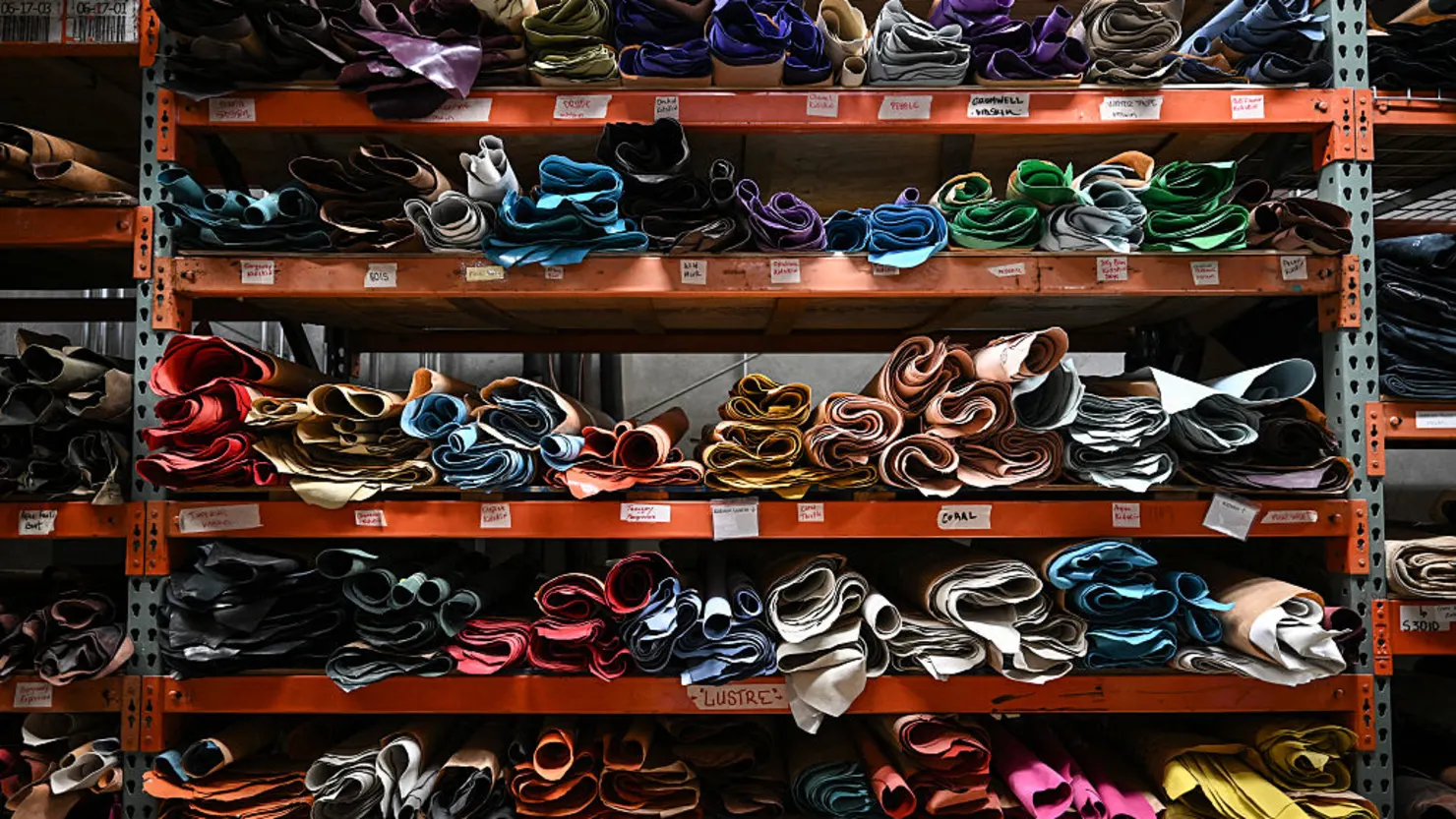
“When tariffs happened, everything stopped,” said Prasad Reddy, Twisted X’s CEO, describing how import costs on finished work boots surged overnight. The company, like many in the sector, relies on a global supply chain: American hides are tanned overseas—often in China—then assembled in countries like Vietnam or India before returning as finished goods. That model collapsed under new tariffs, forcing urgent reshuffling of suppliers amid bottlenecks and longer lead times.
Why Leather Is Especially Vulnerable
Leather’s vulnerability stems from heavy reliance on imports from tariff-targeted nations. China alone supplies about one-third of U.S. leather imports, and the U.S. runs a massive trade deficit in the category—importing $1.37 billion in leather apparel in 2023 while exporting just $92.7 million. “The reason why leather is hit so hard is twofold,” explained John Ricco of the Yale Budget Lab. “We import most leather from countries facing the highest rates, and we simply import far more than we produce domestically.”
Major brands are already feeling the pain. Tapestry, owner of Coach and Kate Spade, warned of $160 million in tariff-related costs and “greater than previously expected profit headwinds.” Steve Madden cited tariffs as a key challenge in its third quarter, while Chanel has raised prices on iconic bags like the Classic Flap by about 5% this year.
Domestic Production Offers Little Relief
Hopes that tariffs would revive U.S. leather manufacturing have not materialized. The domestic industry has shrunk from over 300,000 workers in the 1950s to about 50,000 today, with only a few hundred tanneries remaining. Instead of reshoring, most companies are scrambling to shift production among overseas suppliers—from China to Vietnam, Cambodia, or Bangladesh—only to encounter new bottlenecks and additional tariffs, such as the 50% duty imposed on Indian leather in August.
Compounding the crisis is a shortage of cattle hides, driven by the smallest U.S. herd since the 1950s due to drought and high feed costs. Fewer hides mean scarcer, costlier premium leather. Even synthetic alternatives aren’t spared, as many rely on petrochemical inputs from Asia that also face tariffs.
The Consumer Impact
While some brands absorbed costs initially, price hikes are now inevitable. Twisted X raised prices 1–3% this year and expects further pressure in 2026. Analysts project leather footwear and accessories to rise about 7% long-term as higher costs fully filter through.
For consumers, the era of affordable leather goods is fading. As Reddy noted, “2026 is going to probably be where rubber meets the road.” With global supply chains still in flux and raw material scarcity unresolved, the leather industry’s tariff shock is set to leave a lasting mark on both balance sheets and retail price tags.
Recent
News



Newsletter
Subscribe to our mailing list to get the new updates!

Subscribe our newsletter to stay updated
Most
Reviews
Finance

- Sat, 24 Jan 2026
The recruitment company training AI to do your job
Finance
- Sun, 25 Jan 2026
Snowstorm knocks out power and grounds US flights
Markets
Markets